


Volos is one of the most important historical and archaeological sites in Greece, with continuous human presence from the Neolithic period to antiquity. The area around the Pagasitic Gulf forms a unique blend of myth, archaeology, and historical evolution.
Ancient Iolcos, identified with the wider area of modern-day Volos, is one of the most significant mythological sites in Greece. According to tradition, this is where the expedition of the Argonauts led by Jason began in search of the Golden Fleece, making Iolcos a key reference point in Greek mythology.
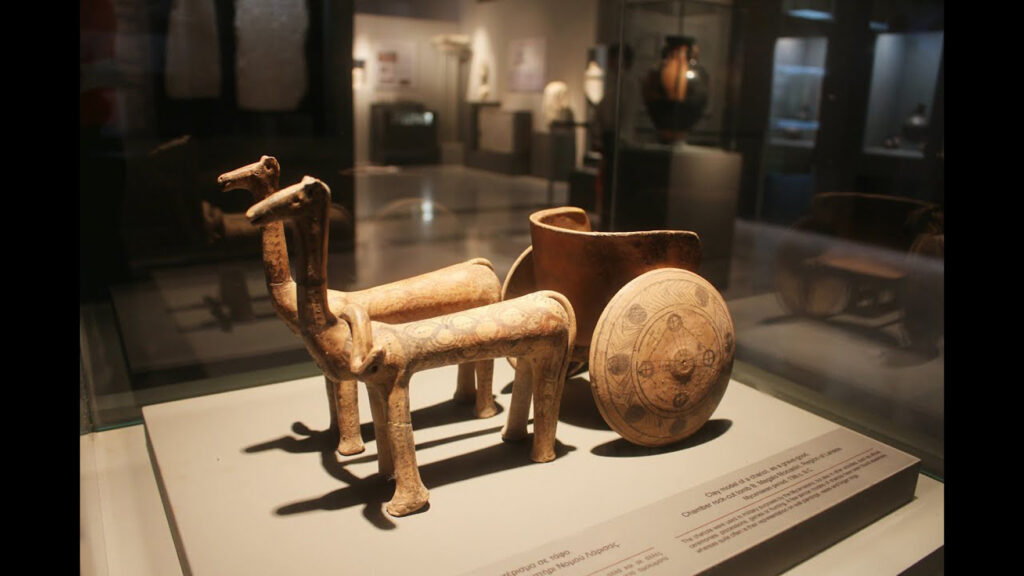
The Archaeological Museum of Volos
The Neolithic settlement of Dimini is particularly significant, being one of the most well-organized and extensively studied prehistoric settlements in Europe. It is dated to approximately the 5th millennium BC and is characterized by impressive urban planning with successive concentric enclosures (walls) that protected the central core of the settlement. This layout suggests a society with developed hierarchy and organized administration. At the same time, findings of high-quality pottery and stone tools indicate advanced craftsmanship and daily activity with a clear division of labor. Dimini is also closely connected with the nearby settlement of Sesklo, forming one of the most important dual centers of Neolithic civilization in Greece, while together they provide invaluable insight into the early development of organized communities in the Aegean region.
The wider region is also closely associated with Pelion, the mythical “Mountain of the Centaurs.” According to tradition, Pelion was the homeland of the Centaurs and especially the wise Chiron, who taught heroes such as Achilles and Jason. The mountain remains a fundamental element of Greek mythological geography, combining legend with a rich natural landscape of forests, springs, and traditional villages. This unique blend of myth and nature has made Pelion a timeless symbol of Greek cultural identity, attracting both scholars and travelers interested in history, mythology, and natural beauty.
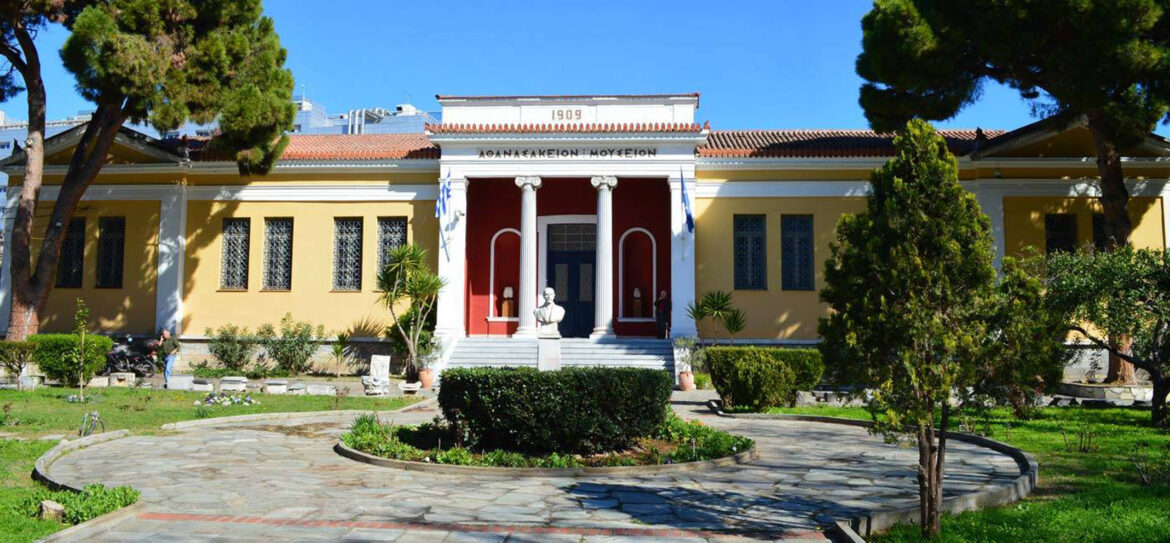
The historical continuity of the region is also reflected in its museums and cultural institutions. The Archaeological Museum of Volos gathers findings from the Neolithic to the Roman period, mainly from Dimini and Sesklo, offering a complete picture of Thessaly’s prehistoric development. The Volos City Museum records the evolution of the modern urban fabric, highlighting the transformation from antiquity to modern times, while the Tsalapatas Brickworks Museum showcases the industrial heritage of the region. In addition, the Kitsos Makris Folklore Center preserves elements of local tradition and everyday cultural life. The area is further enriched by archaeological sites such as ancient Iolcos, traditionally linked to the myth of Jason and the Argonauts, creating a dense historical network that connects mythology, prehistory, and modern identity. Overall, Volos stands as a unique historical hub where multiple layers of civilization coexist, forming a continuous narrative of thousands of years of human presence and cultural evolution.